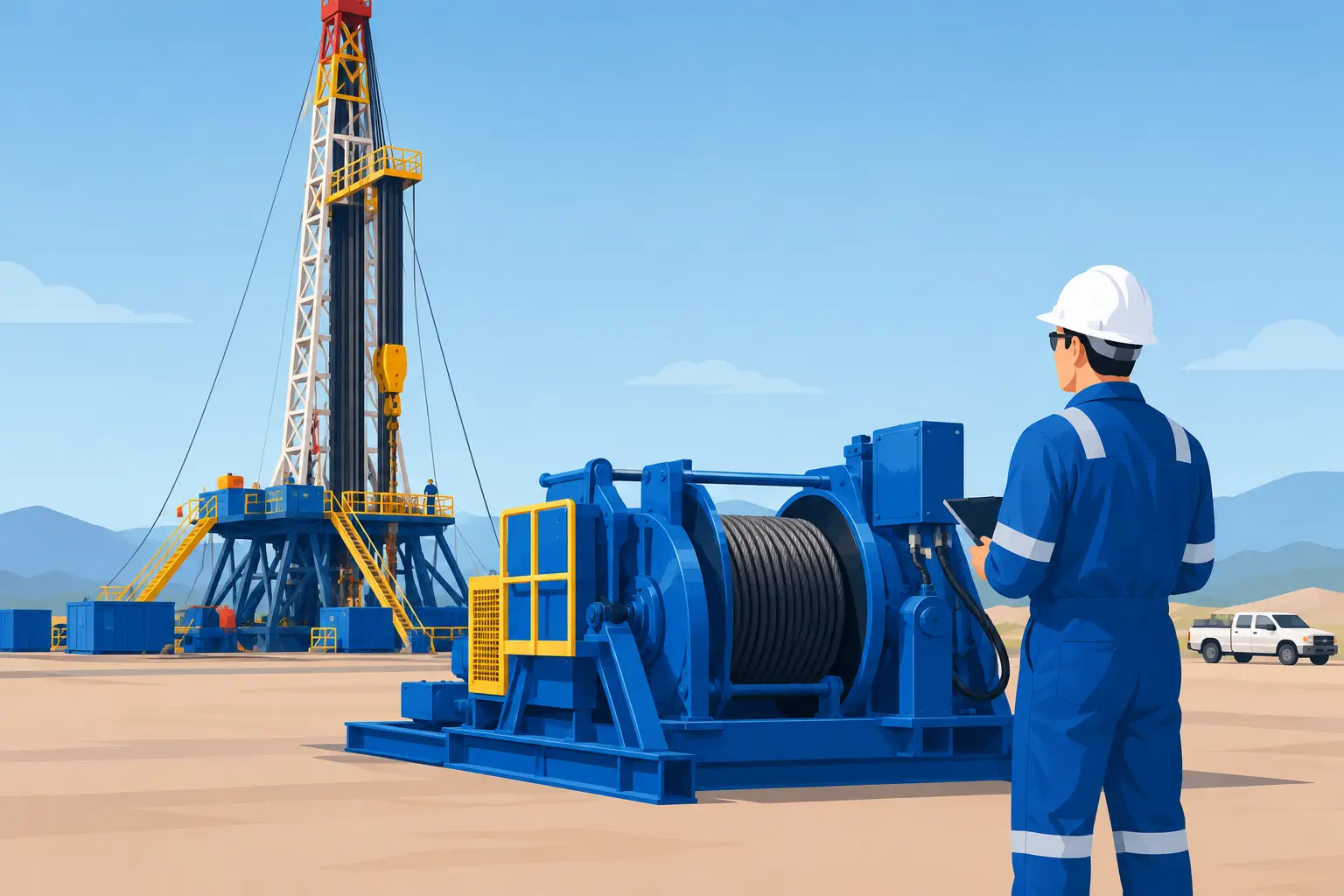
A pulling unit that looks adequate on paper can still become the job’s limiting factor once the crew is on location. Tubing weight, rod condition, well depth, restricted access, weather, and the next operation in the workover plan all affect whether the selected unit keeps work moving or forces a re-mobilization. Knowing how to select pulling units starts with the actual well program, not simply the deepest well in the field or the largest rig available.
For Ohio operators, the right selection also has to account for site conditions. A unit must get through the lease entrance, set up safely around tanks and production equipment, and have the support equipment available to complete the scope without unnecessary downtime.
Start With the Well Program
Define the work before selecting the unit. A rod job, tubing repair, pump change, cleanout, packer pull, or full workover may all use a service rig, but they do not place the same demands on the mast, drawworks, line system, or crew.
The scope should identify the planned work and the credible contingency work. If the job is scheduled as a simple pump change but there is a reasonable chance of pulling tubing, fishing damaged equipment, or handling heavier completion components, the unit needs enough capacity to manage that exposure. Selecting strictly for the planned task can be a false economy when the well does not come apart as expected.
Review the current well file before dispatch. Confirm total depth, tubing size and weight, rod string details, pump configuration, completion equipment, fluid level, known restrictions, and the last service report. Prior workover reports often reveal the information that matters most, including parted rods, tight tubing, scale, paraffin, packer issues, or access limitations that do not appear on a basic well summary.
Planned load is not the working load
The unit must handle more than the calculated string weight. Field loading can increase from fluid in the tubing, drag through a tight section, scale buildup, differential sticking, corrosion, and the force required to break components free. The rig selection should include a practical margin for overpull and operating conditions, with the final capacity determination made by qualified personnel using the well data and equipment specifications.
Capacity should be considered across the system, not only at the mast. The derrick or mast rating, drawworks, drilling line condition and number of lines, blocks, elevators, slips, tongs, and wellhead handling equipment all need to match the intended operation. A high-capacity unit does not solve a job if a supporting component becomes the limiting factor.
Match the Unit to Depth and Completion Design
Well depth influences more than total string weight. It affects line spooling, available hook travel, racking requirements, work floor setup, and the time needed to make a trip. A unit that can technically reach depth may still be inefficient if it lacks the practical working range for the tubulars, tools, and completion configuration involved.
Confirm the tubing and rod lengths that will be handled. This includes standard joint lengths, pony rods, polish rods, and any nonstandard completion components. The mast and racking arrangement must provide adequate clearance and safe handling for the string being pulled. If the job involves long tools, gas anchors, packers, or specialty bottomhole equipment, verify clearance before the unit arrives.
Completion design also drives tool requirements. A simple sucker-rod pumping well may require a different setup than a well with tubing anchors, downhole pumps, packers, or a history of stuck equipment. If the program could move into fishing, milling, or more involved remedial work, address that possibility during planning. It may be more efficient to mobilize a properly equipped workover unit initially than to lose a day waiting on a larger rig and fishing tools.
Evaluate Access, Pad Layout, and Ground Conditions
A pulling unit is only useful if it can safely reach and set on the well. Inspect access roads, culverts, gate width, turning radius, overhead lines, tank placement, flowlines, and the route from the public road to the wellhead. Wet lease roads, soft pads, and congested older locations can change the unit choice or require site work ahead of mobilization.
The pad must support the unit and allow safe positioning of support trucks. Consider where the rod trailer, tubing trailer, vacuum truck, hot oiler, kill truck, and hauling equipment will stage. A crowded location can create unnecessary handling time and increase exposure around suspended loads.
In Central Ohio, seasonal ground conditions are often part of the equipment decision. A unit that can access a dry summer location may need improved road base, matting, excavation support, or a different mobilization plan during freeze-thaw periods and extended rain. Addressing site access before the rig is dispatched protects both schedule and equipment.
Choose a Crew With the Right Workover Experience
The pulling unit and the crew should be selected together. The crew’s experience with the expected operation matters as much as the unit’s rated capability. A competent service-rig crew recognizes changing loads, poor rod condition, tubing drag, well-control concerns, and equipment issues early enough to adjust the plan before they become a costly event.
Ask who will run the job, what type of work the crew performs regularly, and whether the contractor can supply the required tools and support services. For a more involved program, coordination between the rig operator, company representative, engineering support, fluid-handling crew, and hauling team needs to be established before the first truck rolls.
Darby Energy’s service-rig team brings more than 100 years of combined operating experience to completions and workover work, backed by field support that can cover excavation, vacuum truck service, hot oiling, steam cleaning, and heavy hauling when the scope requires it. That consolidated support can reduce handoffs when a job changes in the field.
Plan the Support Equipment Before the Rig Arrives
A service rig rarely works alone. The right pulling unit can still sit idle if the location lacks fluid handling, transportation, cleanout support, or the materials needed for the next step. Review the full sequence of work and identify equipment that must be available at each stage.
For example, a tubing pull may require a vacuum truck for produced fluid and tank work, while wax or paraffin conditions may call for hot oiling or steam cleaning. A site modification, tank move, or equipment replacement may require excavation and a winch truck or Rolling Tailboard Float. If the scope includes heavy loads, make sure the hauling plan accounts for weights, dimensions, route access, permits, and loading conditions.
This is where selecting the lowest day-rate unit can create a higher total job cost. A contractor with the right service rig but no available fluid-handling or logistics support may leave the operator coordinating multiple vendors while the well is open. The better decision depends on whether the job is routine and isolated or likely to require several services under one schedule.
How to Select Pulling Units Without Losing Time
The most productive selection process happens before a rig is needed urgently. Share the well file, work scope, expected loads, completion details, site photos, and desired schedule with the service provider. A clear pre-job review allows the contractor to verify unit fit, identify missing information, line up tools, and plan support equipment.
Before confirming the mobilization, get direct answers to four operational questions:
- Is the unit rated and configured for the anticipated string load, depth, and credible overpull?
- Can the unit, trailers, and support trucks safely access and set up on the location?
- What tools, tubular-handling equipment, and well-control equipment are included in the dispatch?
- If the job expands, what additional field support can be mobilized and on what timeline?
The answers should be specific to the well, not general assurances about fleet capacity. If the provider has not reviewed the load profile, completion design, and location conditions, the selection is still incomplete.
Make the Decision Around Execution
Selecting a pulling unit is a field execution decision. The correct unit has enough working capacity for the actual load, sufficient height and travel for the completion, safe access to the location, and an experienced crew ready for the work in front of them. It also fits the support plan, so fluids, hauling, site work, and specialized equipment do not hold up the operation.
Bring the service contractor into the planning conversation early, especially when the well has a history of stuck equipment, poor access, or changing production conditions. A well-defined unit and support plan gives the crew a better start, keeps the location organized, and leaves the operator prepared when the job becomes more than a routine pull.
Leave a Reply