Category: Uncategorized
-
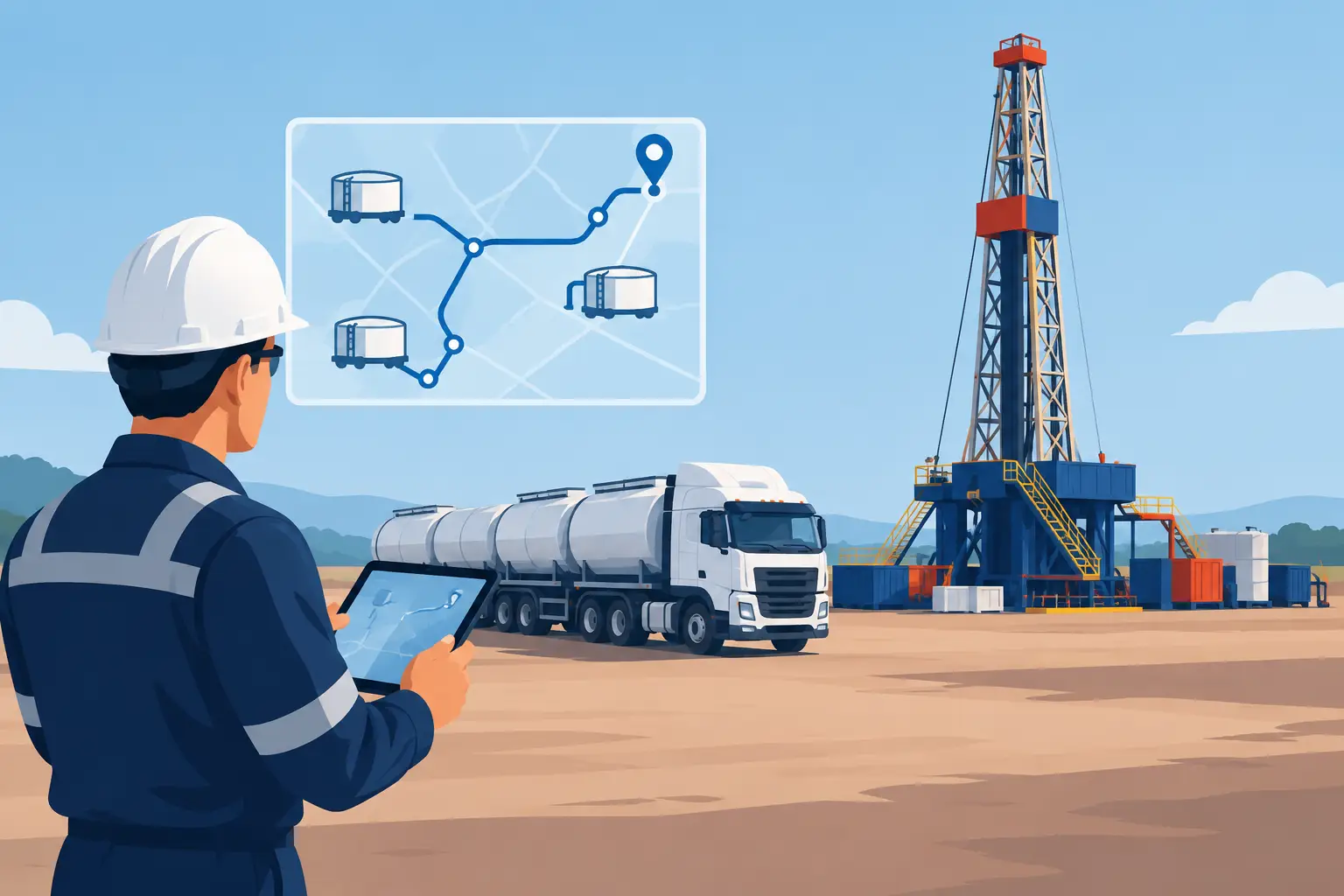
How to Plan Tank Moves Without Losing Time
Learn how to plan tank moves with verified dimensions, clean routing, sound rigging, site prep, and hauling coordination that keeps field work moving.
-
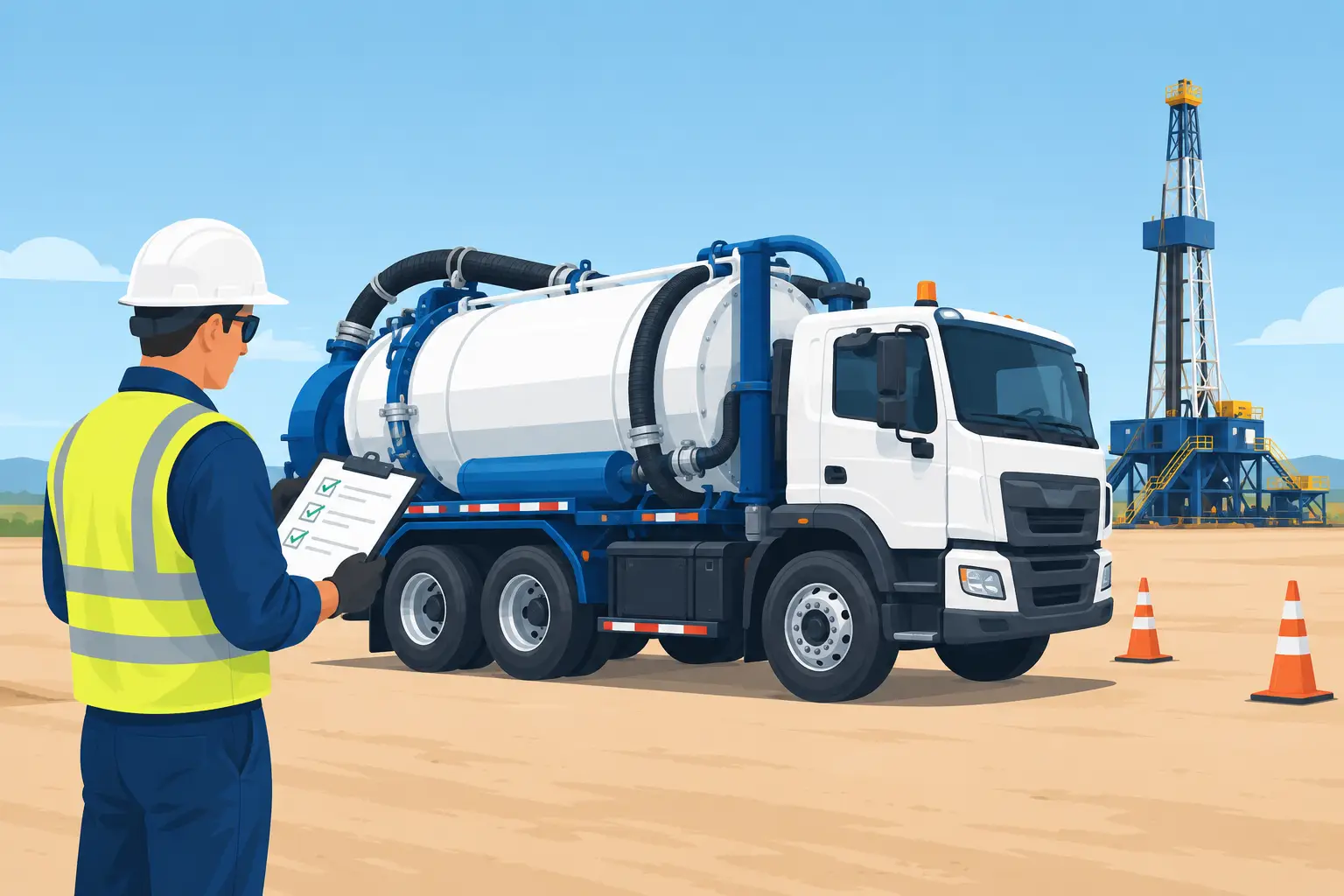
Top Vacuum Truck Safety Checks Before Mobilization
Top vacuum truck safety checks help crews catch hose, tank, brake, and pressure-control issues before fluid handling starts during active lease operations.
-
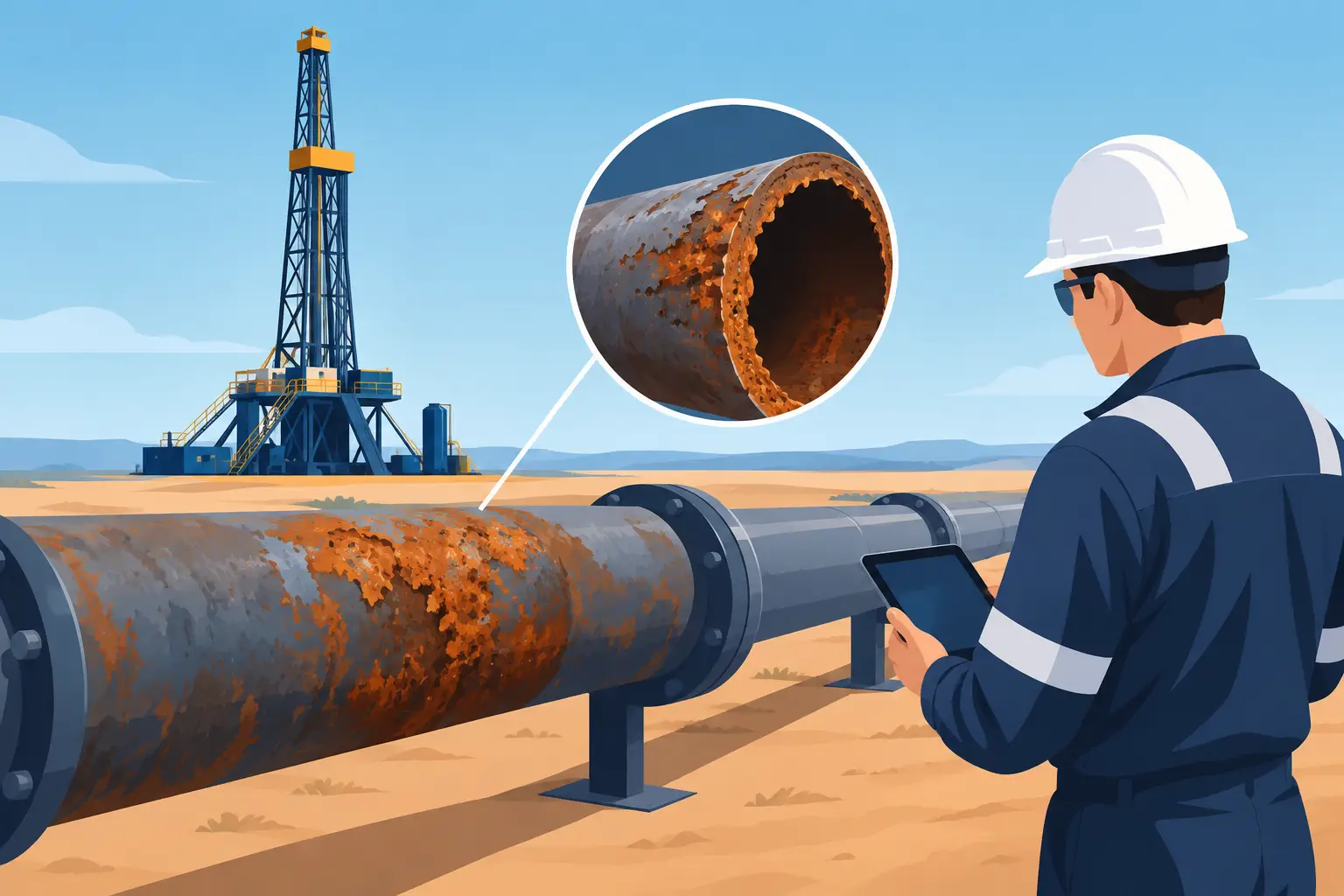
Top Signs of Flowline Corrosion in the Field
Learn the top signs of flowline corrosion, from pressure changes and leaks to produced-water damage, and act before a field repair becomes downtime fast.
-
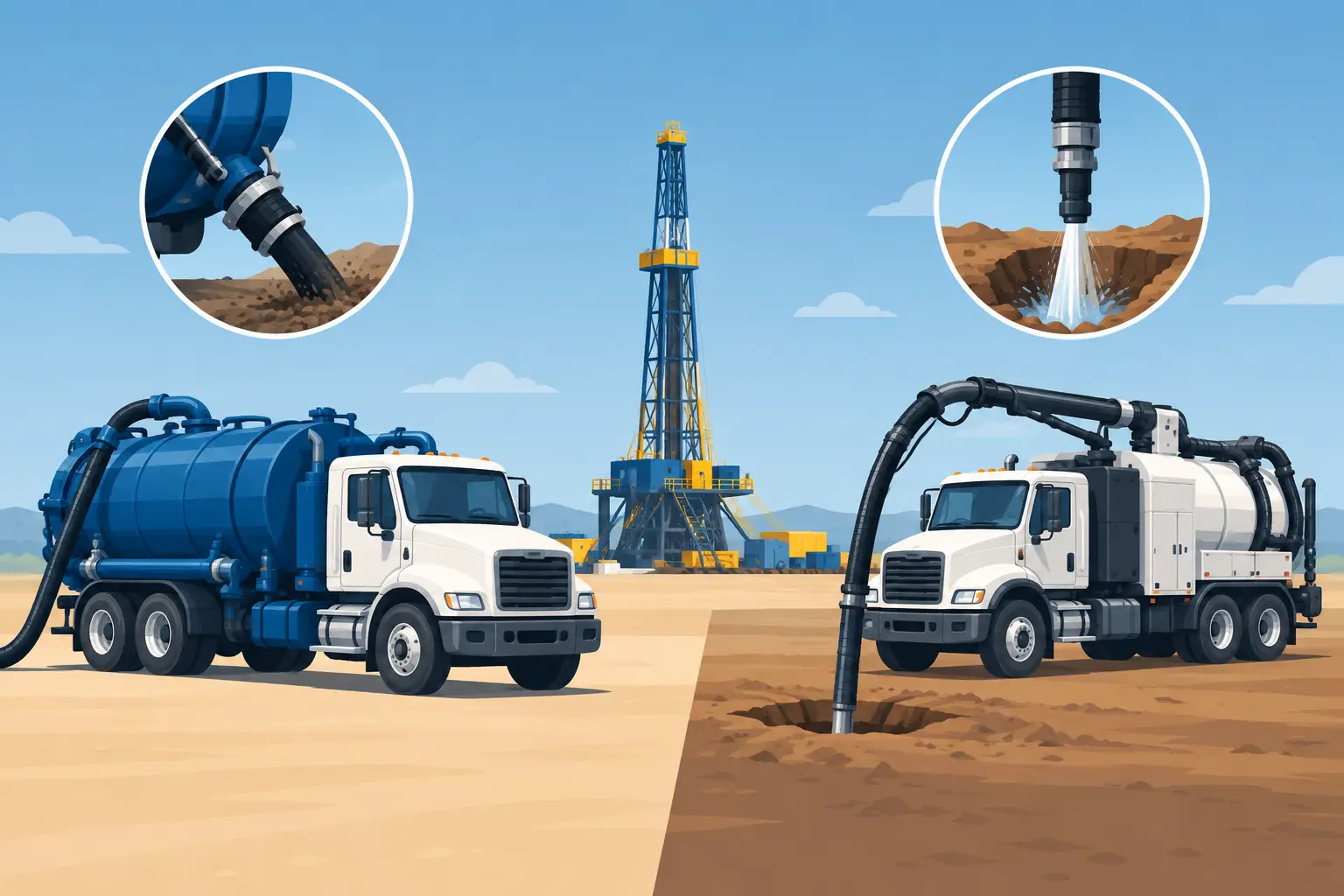
Vacuum Truck Versus Hydrovac for Oilfields
Compare vacuum truck versus hydrovac service for oilfield fluid handling, potholing, cleanup, and excavation so crews dispatch the right unit first onsite.
-
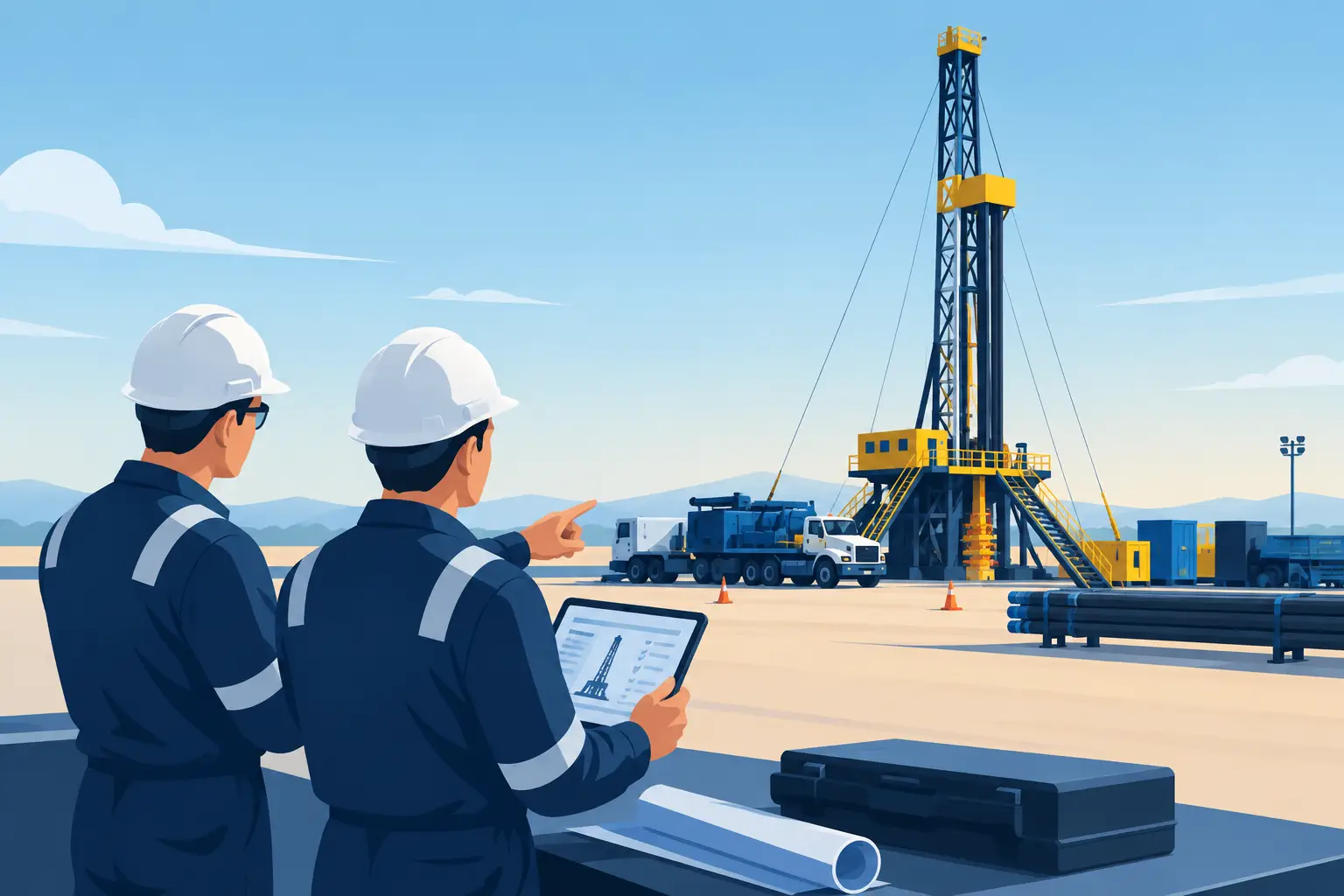
How to Plan Well Workovers Without Lost Time
Learn how to plan well workovers with a defined scope, rig readiness, fluid control, logistics, and contingencies that protect uptime at every stage.
-
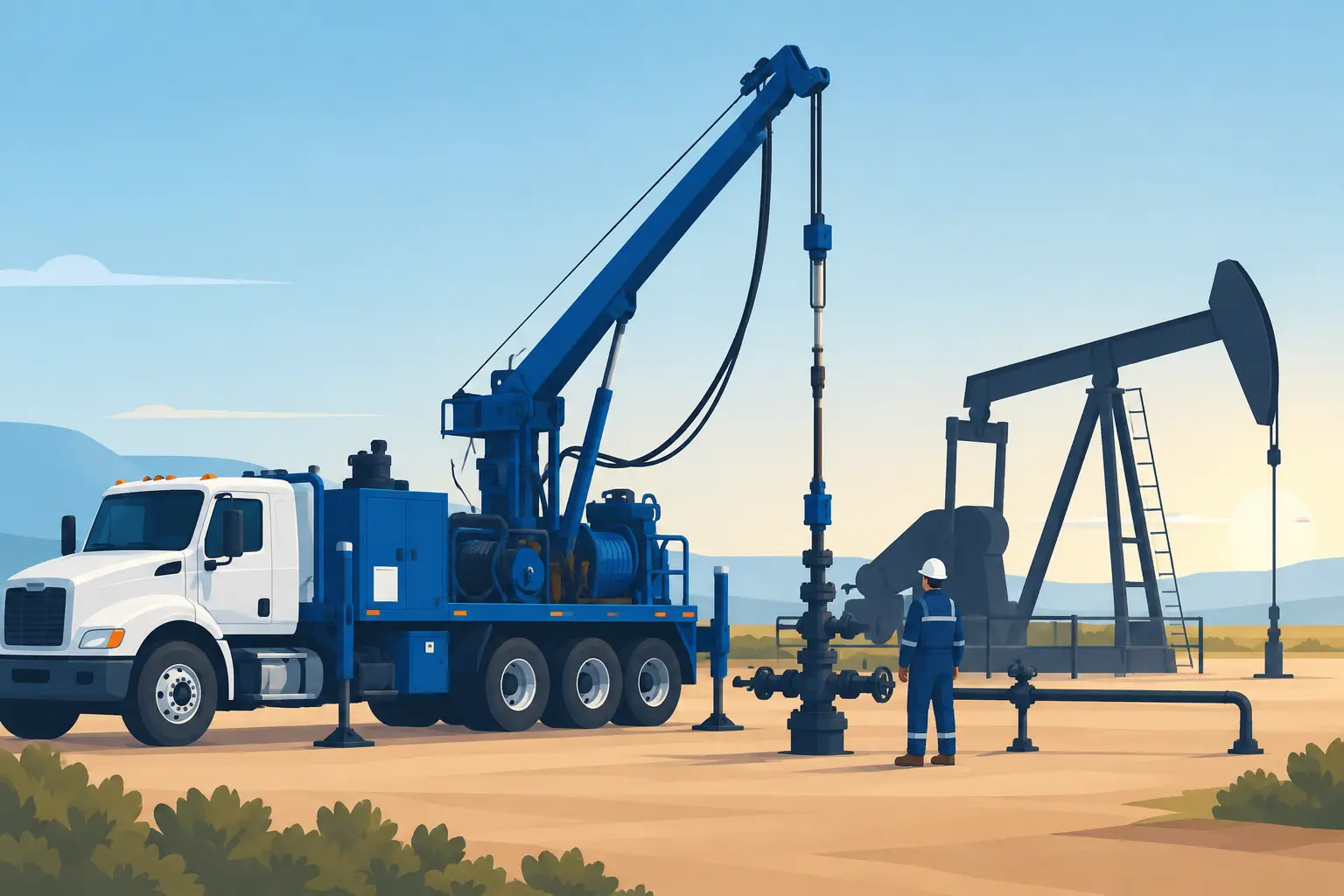
When to Use Service Rigs on Producing Wells
Know when to use service rigs for workovers, completions, and producing-well repairs to control downtime, protect equipment, and keep crews moving safely.
-
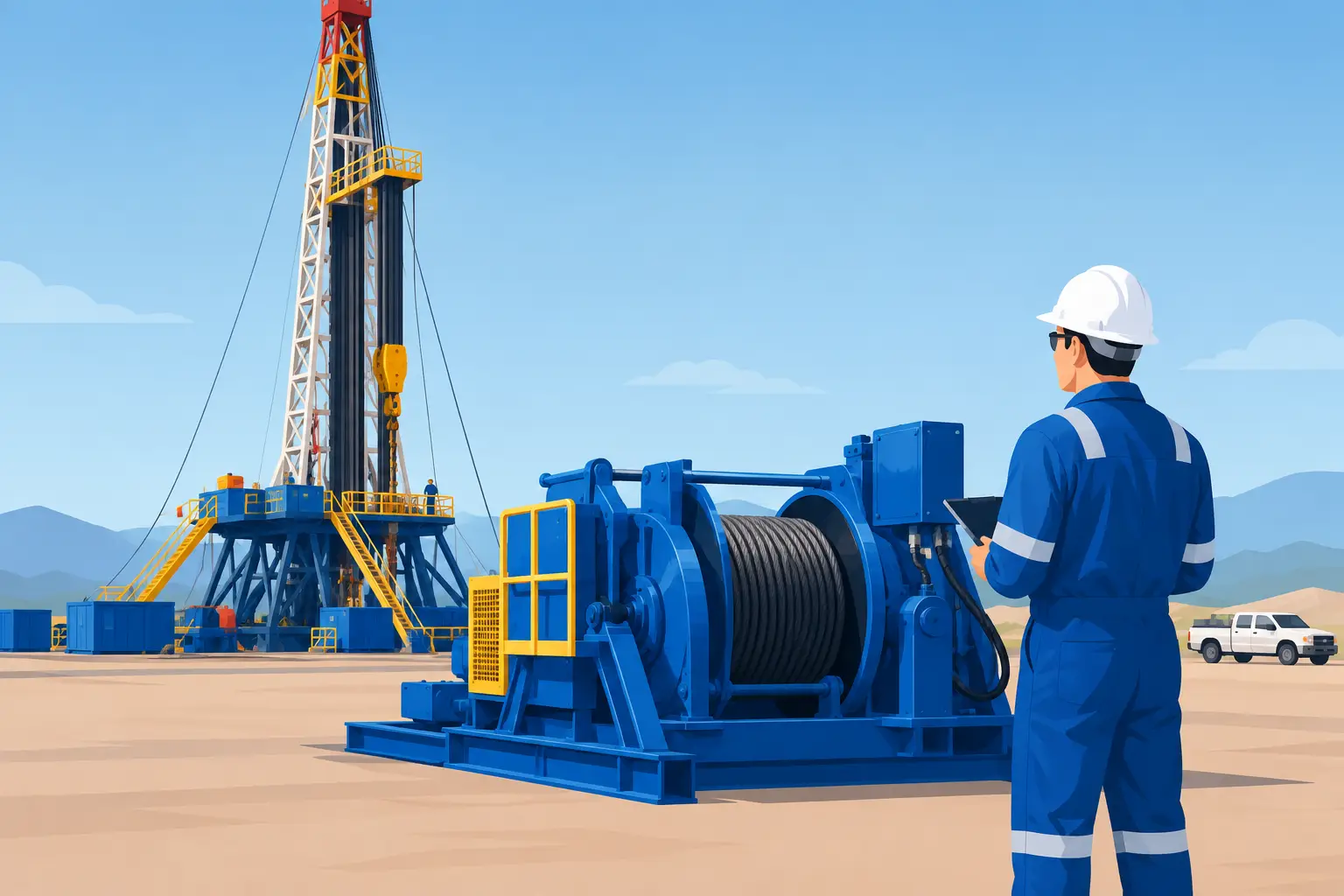
How to Select Pulling Units for Well Work
Learn how to select pulling units for workovers, repairs, and routine well service based on load, depth, access, crew capability, and job scope safely.
-
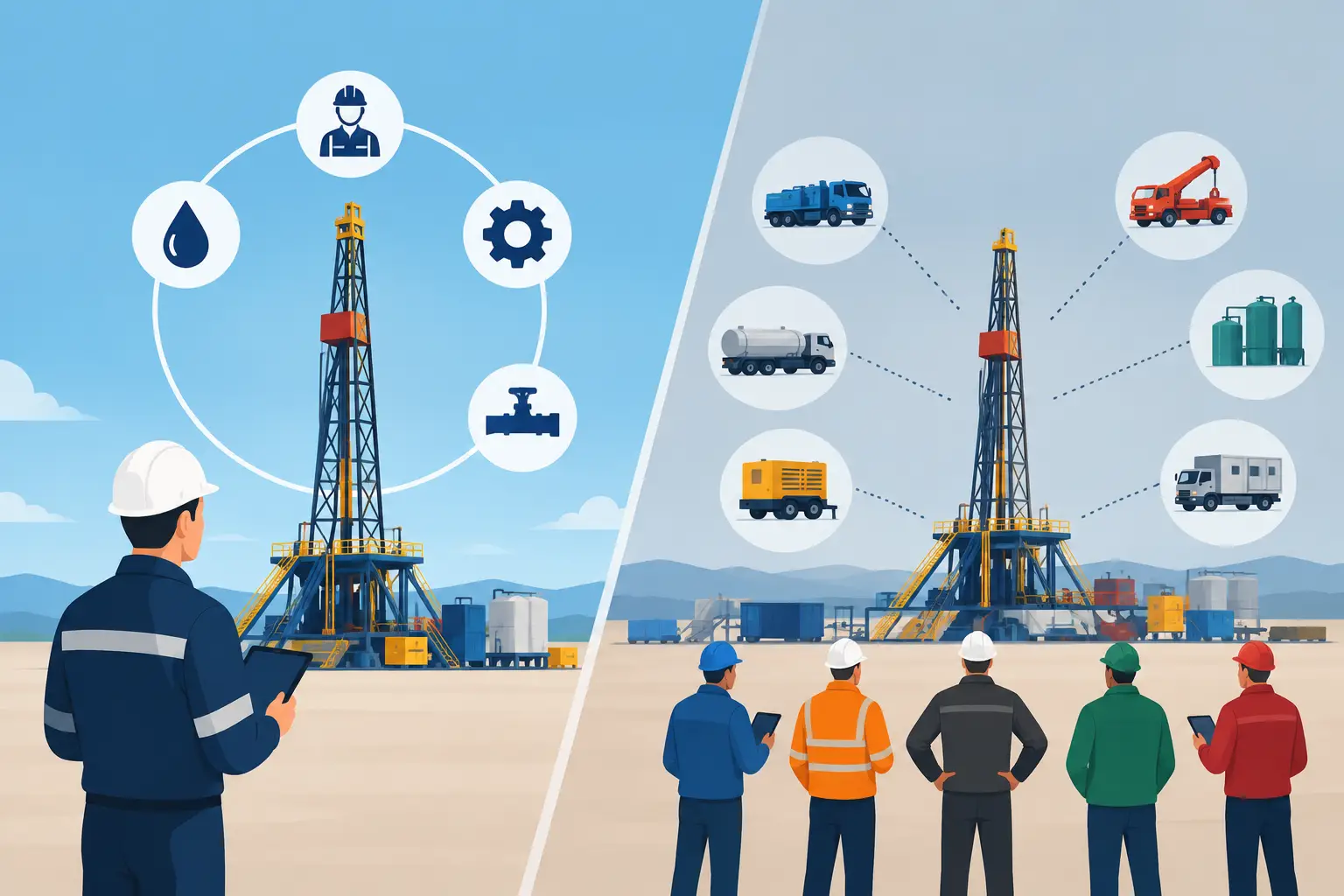
Integrated Contractor Versus Multiple Vendors
Integrated contractor versus multiple vendors: see how one accountable field partner can improve control, scheduling, safety, and job-site response times.
-

Site Development Assessment Before Mobilization
A site development assessment identifies access, drainage, pad, hauling, and sequencing risks before crews and equipment mobilize to the well site safely.
-
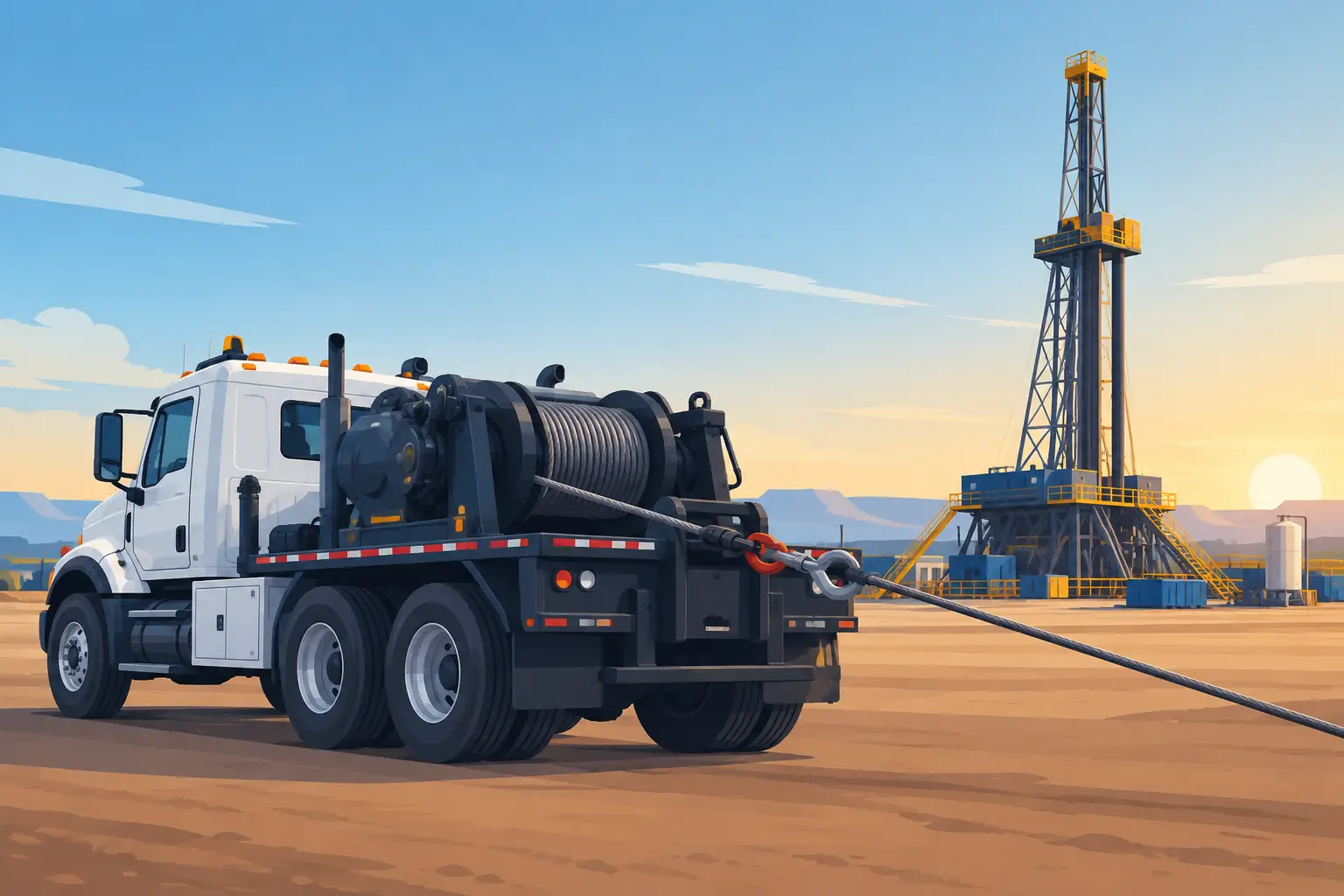
Winch Truck Performance Review for Oilfield Jobs
A winch truck performance review for oilfield teams: evaluate pulling capacity, load control, uptime, route planning, and crew execution before dispatch.